There’s something reassuring about coming home, shutting the front door, and knowing everything inside is protected. We tend to think about locks, alarms, and sturdy windows, but the roof quietly does more work than almost anything else. It faces blazing sunshine, pounding rain, hail, strong winds, and freezing temperatures without ever asking for attention.
Because it sits overhead, it’s also easy to forget about—until there’s a leak. By that point, what seemed like a minor issue can quickly become an expensive repair involving insulation, drywall, flooring, and even structural framing.
The good news? Most roofing problems don’t appear overnight. They leave clues long before serious damage occurs. Knowing what to watch for can help homeowners make smart decisions, protect their investment, and avoid unnecessary stress.
Your Roof Ages Even When It Looks Fine
One of the biggest misconceptions about roofing is that if it isn’t leaking, everything must be okay.
Unfortunately, roofs don’t work that way.
Years of exposure to sunlight slowly weaken shingles. Seasonal temperature changes cause materials to expand and contract. Wind lifts edges ever so slightly, while rain gradually works its way into vulnerable areas. None of these changes happen dramatically, but together they slowly wear the roof down.
Even a roof that looks perfectly acceptable from the street may have hidden issues developing underneath.
That’s why regular inspections are worth every penny. Catching small concerns early is almost always less expensive than dealing with widespread damage later.
Small Warning Signs Often Lead to Bigger Problems
Many homeowners ignore early warning signs simply because they seem harmless.
A missing shingle here.
A few granules collecting in the gutter there.
Maybe a tiny stain on the ceiling that only appears after heavy rain.
Individually, these problems might not seem urgent. Together, however, they often point to a roofing system that’s beginning to fail.
Pay attention if you notice:
- Curling or cracked shingles
- Dark streaks caused by algae or moisture
- Sagging roof sections
- Loose flashing around chimneys
- Water stains inside the attic
- Moss growing in shaded areas
- Excessive granules washing into gutters
These aren’t reasons to panic, but they are good reasons to schedule a professional inspection.
Repairs Don’t Always Solve Everything
Roof repairs absolutely have their place.
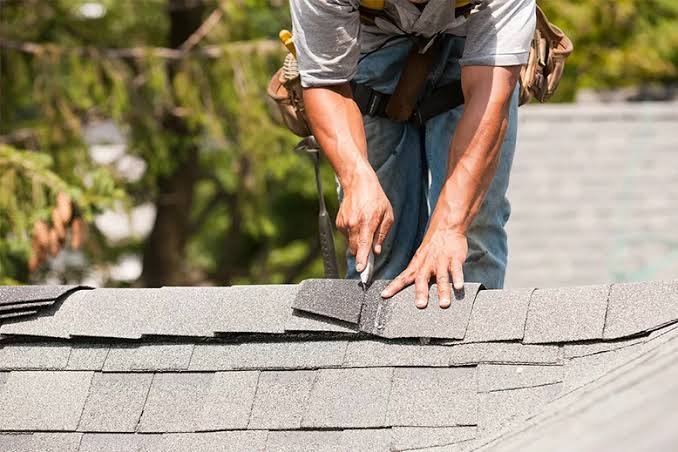
Replacing a few damaged shingles after a windstorm or sealing flashing around a vent pipe can extend a roof’s lifespan for years. But eventually, repairs become temporary patches rather than lasting solutions.
If your roof has required multiple repairs over the past several years, it may be worth discussing roof replacement services with a trusted roofing contractor.
Sometimes homeowners spend thousands of dollars fixing one problem after another when replacing the roof would actually save money over the long term.
The right contractor can help determine which option truly makes financial sense rather than recommending replacement simply because it’s more profitable.
A New Roof Is More Than Just Better Looks
There’s no denying that a new roof dramatically improves curb appeal.
Fresh shingles instantly make a home look cleaner, newer, and better maintained. That’s especially valuable if you’re planning to sell in the near future.
But appearance is only part of the story.
Modern roofing materials are designed to improve ventilation, resist harsh weather, and increase energy efficiency. Better insulation and proper airflow can help reduce heating and cooling costs throughout the year.
Many homeowners are surprised by how much quieter their homes feel after installing a new roof, especially during heavy rain or strong winds.
It’s one of those home improvements that delivers benefits every single day, even when you aren’t thinking about it.
Material Quality Makes a Bigger Difference Than Most People Realize
Not all roofing products are created equal.
Some are designed primarily around affordability, while others focus on longevity, impact resistance, or energy efficiency.
Choosing materials shouldn’t come down to color alone.
Climate plays a huge role in selecting the right roofing products. Homes in areas with heavy snowfall have different needs than homes exposed to constant sunshine or hurricane-force winds.
Working with an experienced contractor helps ensure you’re selecting materials that fit both your budget and your local weather conditions.
That extra guidance can prevent expensive mistakes later.
Understanding How Modern Roofing Systems Work
Many people picture roofing as little more than shingles nailed onto plywood.
In reality, today’s shingle roofing systems involve several carefully coordinated layers that work together to protect your home.
The roof deck provides structural support.
Underlayment creates a secondary moisture barrier.
Ice and water shields protect vulnerable areas.
Ventilation regulates attic temperatures.
Flashing seals roof penetrations.
Finally, shingles serve as the visible outer layer that defends against weather.
When each component is installed correctly, the entire system performs far better than any single material could on its own.
If one layer fails, the others often become less effective, which is why professional installation is just as important as selecting quality products.
Maintenance Doesn’t Need to Be Complicated
Roof maintenance sounds intimidating, but most of it involves simple habits.
Clean gutters regularly.
Trim overhanging branches before storms arrive.
Look for loose shingles after high winds.
Check your attic occasionally for moisture, mold, or daylight shining through unexpected places.
These quick inspections don’t take much time, yet they often catch developing issues before they become major repairs.
Many roofing professionals also recommend scheduling a full inspection every couple of years, especially once the roof reaches the second half of its expected lifespan.
Think of it like servicing your vehicle. Preventive care almost always costs less than emergency repairs.
Don’t Wait Until Water Is Dripping Inside
One of the costliest mistakes homeowners make is waiting until they see water dripping from the ceiling.
By then, moisture may have already damaged insulation, framing, drywall, flooring, or electrical systems.
Roof leaks often begin weeks—or even months—before they’re visible inside the home.
Addressing problems early protects not only the roof itself but the entire structure beneath it.
The sooner issues are identified, the more repair options usually remain available.
Investing in Peace of Mind
Homeownership comes with countless responsibilities, and roofing isn’t always the most exciting one. Still, few investments offer as much protection for everything you value.
A reliable roof safeguards your family, your belongings, and the structure you’ve worked hard to build. Whether your current roof simply needs maintenance or it’s finally time for a replacement, making informed decisions today can prevent financial surprises tomorrow.
At the end of the day, a quality roof isn’t just another home improvement project. It’s long-term peace of mind, quietly doing its job through every season, every storm, and every ordinary day in between. That’s an investment most homeowners never regret.
More helpful home upgrade ideas
- The Everyday Plumbing Problems Homeowners Face and How to Handle Them With Confidence
- Why Soft Water Makes Everyday Life Easier Than You Might Expect
- Why Staying Ahead of Small Repairs Is One of the Smartest Investments You Can Make
- Why Hiring the Right Electrician Can Make Your Home Safer and More Efficient