Water is one of those things we rarely think about until something seems wrong. Maybe the water from your kitchen tap has an unusual taste, stubborn white spots keep appearing on your faucets, or your pond looks cloudy even after you’ve cleaned it. These problems can be frustrating, especially when you’re not sure what’s causing them. The good news is that the right water treatment approach can make a noticeable difference.
For homeowners, business owners, and pond enthusiasts in Wauseon, Ohio, understanding local water quality is an important first step. Water conditions can vary from one property to another, and a solution that works perfectly for a neighbor might not address your particular concerns. That’s why testing, proper equipment selection, and regular maintenance matter more than simply buying the first filter you see.
Understanding Your Water Before Choosing a Solution
Not all water problems look the same. Hard water, for example, contains elevated levels of minerals such as calcium and magnesium. These minerals aren’t usually a health concern, but they can leave scale on plumbing fixtures, reduce the efficiency of water heaters, and make soap less effective. Over time, mineral buildup may also contribute to unnecessary maintenance expenses.
Other properties may experience unpleasant odors, discoloration, sediment, or concerns about specific contaminants. Private wells deserve particular attention because their water quality can change with weather conditions, nearby land use, and changes in the surrounding groundwater. Even water that looks perfectly clear isn’t necessarily free of contaminants.
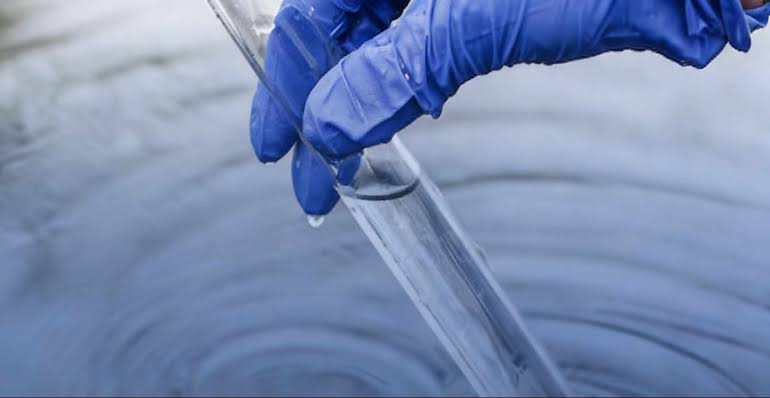
Testing helps identify what’s actually present in your water. Depending on the source and symptoms, a professional may recommend checking hardness, pH, iron, manganese, bacteria, nitrates, or other relevant parameters. The results provide a clearer picture of which treatment methods are appropriate.
It’s a simple principle, really: understand the problem before investing in the solution.
Water Treatment for Homes, Businesses, and Ponds
Every property has different needs. A family might want better-tasting drinking water, while a restaurant needs dependable water quality for food preparation, cleaning, and equipment operation. A pond owner, meanwhile, may be concerned about algae, cloudy water, or the health of fish and aquatic plants.
Choosing water treatment in wauseon, ohio – home, commercial & pond systems means considering these different applications rather than treating every water problem as if it were identical.
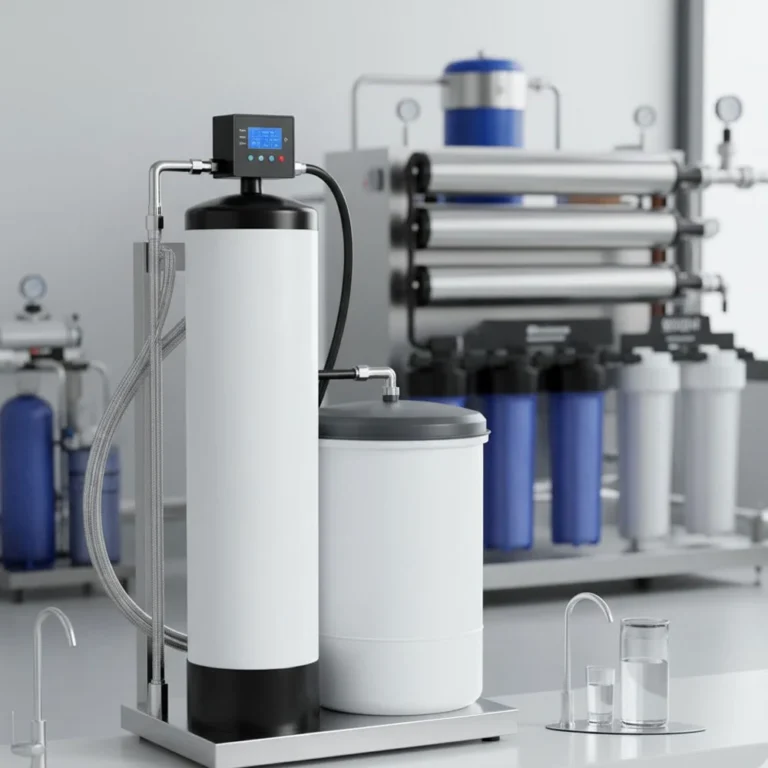
Residential systems can include water softeners, sediment filters, activated carbon filtration, and drinking-water purification equipment. A water softener can help manage hardness, while carbon filtration may reduce certain unpleasant tastes and odors. Reverse osmosis systems can reduce a range of dissolved substances, depending on the equipment and its certification.
Commercial treatment often requires a more detailed assessment. Offices, restaurants, manufacturing facilities, and other businesses may use considerable amounts of water every day. Their treatment systems must be selected according to water demand, incoming water quality, operational requirements, and applicable regulations.
Pond treatment follows a different path altogether. Healthy ponds depend on a balance of oxygen, nutrients, circulation, filtration, and biological activity. Adding chemicals without understanding the underlying problem can sometimes make matters worse. In many cases, improving aeration, reducing excess nutrients, and maintaining suitable filtration can support a healthier pond environment.
Common Water Problems and How They Can Be Addressed
Hard Water and Mineral Buildup
Hard water is a common nuisance in many households. White deposits on showerheads, cloudy glassware, and stiff laundry are familiar signs. Water softeners use ion exchange or other suitable technologies to reduce hardness, helping limit scale formation and making everyday cleaning easier.
However, softening isn’t necessary for every property. Testing first helps determine whether the benefits justify the installation and operating costs.
Iron, Odors, and Discoloration
Iron can leave reddish-brown stains in sinks, toilets, and laundry. Sulfur-related compounds may produce a rotten-egg odor, while sediment can cause water to appear cloudy or gritty. These symptoms can have different causes, so a single filter won’t necessarily solve every problem.
Depending on the test results, treatment might involve oxidation and filtration, specialized media, sediment removal, or activated carbon. Proper system sizing is important, especially when several problems occur together.
Drinking Water Concerns
If drinking water has an unusual taste or you suspect contamination, don’t rely on appearance alone. A certified laboratory can test for relevant contaminants, and treatment should be selected according to those results. For private wells, follow appropriate testing recommendations and investigate any sudden change in water quality promptly.
A treatment system should also be maintained according to the manufacturer’s instructions. Filters that are overdue for replacement may perform poorly, and neglected equipment can become an additional source of problems.
The Water Treatment Services That Make a Difference
A good treatment provider does more than recommend equipment. The process should begin with a conversation about your water source, the problems you’ve noticed, your daily usage, and your expectations. Testing and inspection can then help narrow down the available options.
When exploring water treatment services we provide, look for a practical approach that includes system recommendations, professional installation where appropriate, maintenance guidance, and assistance when something stops working as expected.
Different services may include water testing, softener installation, filtration systems, drinking-water purification, commercial water treatment, and pond water management. The exact options depend on the provider, the property, and the condition of the water.
It’s also worth asking about operating costs before making a decision. Replacement filters, salt, electricity, wastewater, and routine servicing can all affect the long-term expense of a system. A lower purchase price doesn’t always mean a lower total cost.
A reliable professional should explain what a system can accomplish, what it cannot remove, and how often it needs attention. Clear answers are a good sign that you’re making an informed decision rather than purchasing equipment based on promises.
Why Local Experience Matters
Water quality can differ across a region, and local experience can be useful when investigating recurring issues. Someone familiar with the area may understand common concerns associated with private wells, mineral deposits, seasonal changes, or the needs of local commercial properties.
For customers considering a provider that’s locally owned & trusted since 1952, a long operating history may be worth discussing alongside service coverage, qualifications, customer feedback, warranties, and the availability of ongoing support. Longevity can offer useful context, although it should always be considered together with the quality of the work and the suitability of the proposed solution.
Before scheduling service, ask whether the provider can test your water, explain the findings, and recommend options that fit your budget. You should understand why a particular system is being suggested and what maintenance it will require over time.
Keeping Your Water System Working Properly
Installation is only part of the job. Filters need replacement, softeners may require salt or servicing, and treatment equipment should be checked periodically to confirm that it continues to operate as intended.
Keep records of water test results and maintenance visits. If your water develops a new smell, changes color, or begins leaving unusual deposits, investigate rather than assuming the existing system will handle the change.
Pond owners should also monitor water clarity, fish behavior, plant growth, and seasonal conditions. Sudden fish distress or unusual water changes may indicate a serious problem that needs prompt attention. Testing appropriate water parameters can help guide the next steps.
A Better Approach to Water Quality
Clean, dependable water supports everyday comfort, business operations, and healthier aquatic environments. But achieving it doesn’t always require the most expensive equipment or the most complicated treatment setup. Often, the best results come from identifying the real issue, choosing a suitable solution, and keeping the system properly maintained.
Whether you’re dealing with hard water at home, managing water quality in a commercial facility, or trying to maintain a healthy pond, start with reliable information and realistic expectations. With careful testing and the right professional guidance, you can make better decisions about your water and avoid spending money on treatments you may not need.
In the end, good water treatment is less about chasing a perfect-looking glass of water and more about creating a dependable system that works for your property, your needs, and your peace of mind.