A comfortable home is something most people take for granted until the temperature inside starts working against them. On a hot summer afternoon, an air conditioner that blows warm air can quickly turn a relaxing day into an uncomfortable one. During colder months, a heating system that struggles to keep up can make even simple routines feel difficult. The good news is that regular maintenance, timely repairs, and the right equipment can help keep your home comfortable throughout the year.
Heating and cooling systems do more than control indoor temperatures. They also affect energy consumption, indoor air quality, and the overall comfort of everyone living in the house. Understanding how these systems work and knowing when to call a professional can save time, reduce unnecessary expenses, and prevent small problems from becoming major headaches.
Why Your HVAC System Deserves Regular Attention
Most homeowners don’t think about their HVAC equipment until something stops working. It’s understandable. When the house feels comfortable, the system is easy to forget. However, air conditioners and heating units contain several components that experience wear and tear during everyday operation.
Dirty filters, blocked vents, loose electrical connections, and restricted airflow can gradually reduce system performance. Sometimes, the warning signs are subtle. A room may take longer to cool, the equipment might run more frequently than usual, or energy bills may increase without an obvious explanation.
Routine inspections help identify these issues before they develop into expensive repairs. A technician can check important components, inspect electrical connections, clean accessible parts, and evaluate overall system performance. These simple steps can improve reliability and help equipment operate more efficiently.
Homeowners can also contribute by replacing air filters according to manufacturer recommendations, keeping outdoor units clear of leaves and debris, and making sure furniture isn’t blocking indoor vents.
Recognizing When Your Air Conditioner Needs Repair
Air conditioners often give warning signs before they fail completely. Perhaps the airflow feels weaker than usual, the system makes a rattling noise, or the house never seems to reach the temperature shown on the thermostat. These changes shouldn’t be ignored, particularly during periods of extreme heat.
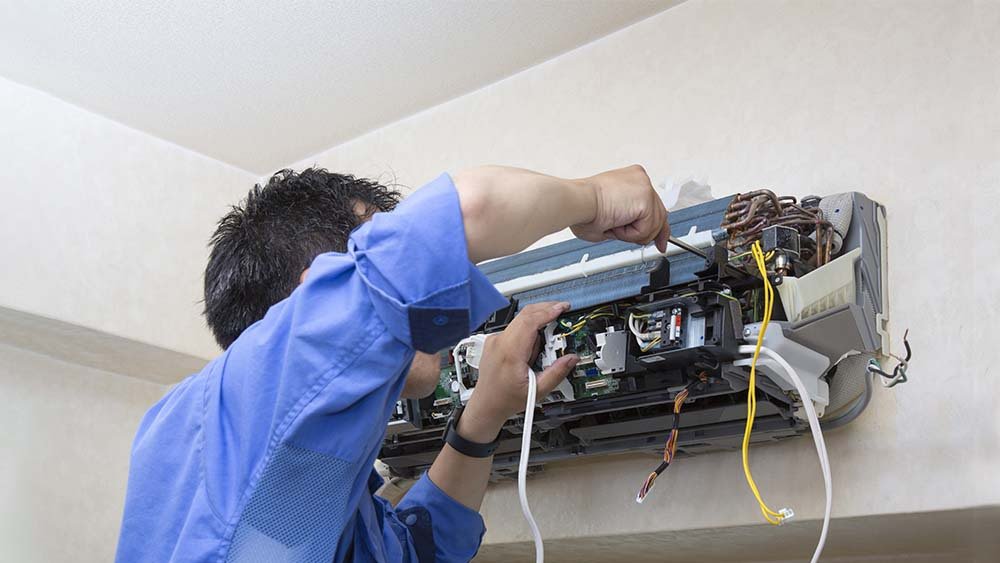
Professional ac repair services can help diagnose the underlying cause rather than simply treating the symptoms. For example, weak cooling might result from a dirty filter, a refrigerant leak, a malfunctioning blower motor, or a problem with the outdoor condenser. Each issue requires a different approach, which is why an accurate diagnosis matters.
Another common problem is short cycling, where the air conditioner switches on and off repeatedly. This may be caused by thermostat issues, restricted airflow, incorrect equipment sizing, or other mechanical faults. Besides making indoor temperatures inconsistent, frequent cycling can place additional stress on system components.
If you notice burning smells, electrical buzzing, or repeated circuit breaker trips, turn the equipment off when safe to do so and contact a qualified technician. Electrical problems shouldn’t be handled as a do-it-yourself project.
Choosing the Right Air Conditioning System for Your Home
Sometimes, repairing an older unit isn’t the most practical long-term option. If your air conditioner requires frequent service, struggles to cool the house, or uses considerably more energy than expected, replacing it may be worth considering.
The right ac installation begins with understanding the home itself. Square footage matters, but it’s only one part of the calculation. Ceiling height, insulation, window placement, local climate, and the number of occupants can all influence cooling requirements.
A system that’s too small may run constantly without keeping the home comfortable. An oversized unit can cool the space quickly but may shut off before removing enough humidity, leaving rooms feeling clammy. Proper sizing helps avoid both problems.
Homeowners can choose from several options, including central air conditioning, ductless mini-split systems, and heat pumps. Central systems work well in many homes with existing ductwork. Ductless equipment can be useful for additions, converted garages, or rooms that never seem to reach the desired temperature.
Before making a decision, compare energy efficiency ratings, expected operating costs, equipment warranties, and maintenance requirements. A qualified HVAC professional can explain which options suit your property and budget without recommending equipment you don’t need.
Don’t Overlook Your Heating System
Cooling usually gets the attention during summer, but a dependable heating system becomes essential when temperatures fall. Furnaces, boilers, and heat pumps each have different maintenance needs, and their performance can change as components age.
Signs of trouble include uneven heating, unusual noises, weak airflow, and a thermostat that doesn’t seem to control temperatures properly. A sudden increase in energy consumption may also indicate that the equipment is working harder than necessary.
Timely heating repair can address problems such as faulty thermostats, worn components, ignition failures, or airflow restrictions. Delaying service may allow a relatively minor issue to affect other parts of the system.
Safety deserves particular attention when using fuel-burning equipment. Furnaces and similar appliances should be inspected according to manufacturer guidance and applicable local requirements. Install carbon monoxide detectors near appropriate sleeping areas and on each level of the home, following the detector manufacturer’s instructions. If a carbon monoxide alarm sounds, leave the building immediately and contact emergency services from a safe location.
Never ignore persistent fuel odors or signs of exhaust problems. Shut down equipment only if it is safe to do so, leave the affected area, and seek professional assistance.
Simple Habits That Can Lower Energy Costs
Keeping a home comfortable doesn’t have to mean running heating and cooling equipment at maximum capacity all day. A few practical habits can make a noticeable difference over time.
Start with the thermostat. Choose reasonable temperature settings and adjust them when the house is empty, provided the change is appropriate for the weather, occupants, and equipment. A programmable or smart thermostat may help maintain a consistent schedule without requiring constant manual adjustments.
Next, pay attention to insulation and air leaks. Gaps around doors, windows, and other openings allow conditioned air to escape. Sealing suitable gaps and improving insulation can reduce the workload on HVAC equipment.
Keep supply and return vents unobstructed, and replace filters when they become dirty. Outdoor condenser units also need sufficient clearance for proper airflow. Always follow the equipment manufacturer’s instructions before cleaning or performing any maintenance.
Annual professional maintenance, or service at the intervals recommended for your particular system, is another useful investment. The technician can identify developing problems and help you understand whether your equipment is operating as expected.
Finding an HVAC Professional You Can Trust
Choosing a service provider involves more than comparing the lowest advertised price. Look for technicians with appropriate licensing, training, and insurance where required. Ask whether the company has experience with your particular equipment and whether it provides written estimates before beginning substantial work.
A reliable professional should explain the problem in understandable language, outline available repair or replacement options, and answer questions without pressuring you into an immediate purchase. It is also sensible to ask about warranties, service charges, and any additional costs that could arise during the job.
Online reviews can offer useful information, but look for consistent patterns rather than relying on one unusually positive or negative comment. Clear communication, dependable scheduling, and transparent pricing are often just as important as technical expertise.
A More Comfortable Home Starts with Small Decisions
Your home’s heating and cooling system works quietly in the background, helping everyday life feel normal even when outdoor temperatures become uncomfortable. Giving it occasional attention can make that reliability last longer.
Pay attention to unusual sounds, changing energy bills, and rooms that no longer feel comfortable. Keep up with basic maintenance, arrange professional inspections, and replace aging equipment when the numbers and condition make a strong case for doing so.
Most importantly, don’t wait for a complete breakdown before taking action. A little preparation today can mean fewer unpleasant surprises tomorrow, a more comfortable living space, and greater confidence that your home is ready for whatever the weather brings.