Water is one of those things most of us take for granted until something seems wrong. Perhaps the tap water tastes a little metallic, white spots keep appearing on the shower doors, or the kettle develops a thick layer of mineral deposits every few weeks. These problems might seem minor, but they can affect everyday comfort, household maintenance, and sometimes even the quality of the water we rely on.
The good news is that improving household water doesn’t always require an expensive renovation or a complicated setup. The first step is understanding what’s actually in your water. From there, homeowners can choose practical solutions that address their specific concerns rather than spending money on equipment they may not need.
Understanding What Comes Out of Your Tap
Water travels a long way before reaching a kitchen faucet. Depending on the source, it may pass through municipal treatment facilities, underground pipes, private wells, and household plumbing. Each stage can influence its characteristics, including taste, odor, mineral content, and the presence of certain contaminants.
Municipal water systems generally treat water to meet applicable safety standards. However, that doesn’t necessarily mean every household will experience identical water quality. Aging plumbing, local geology, corrosion, and changes in the water supply can all influence what comes out of a tap.
For households using well water, regular monitoring becomes particularly important because private wells aren’t usually covered by the same routine public-water testing requirements. Bacteria, nitrates, naturally occurring minerals, and other substances may enter groundwater depending on the property’s location and surrounding conditions.
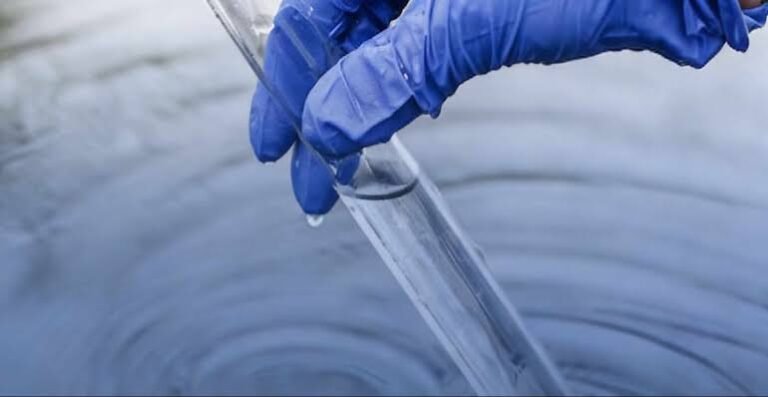
Instead of guessing based on taste or appearance, homeowners can arrange professional water testing & analysis to identify specific concerns. Testing may examine hardness, pH, iron, manganese, bacteria, nitrates, and other substances relevant to the local water supply. The right test depends on where the water comes from and what problems have been noticed.
This information provides a useful starting point. A cloudy appearance, for example, doesn’t automatically mean water is unsafe, and clear water isn’t necessarily free from contaminants. Reliable results help distinguish an aesthetic inconvenience from an issue that deserves immediate attention.
Why Hard Water Creates So Many Household Problems
Hard water is one of the most common reasons homeowners consider water treatment. It contains elevated concentrations of dissolved calcium and magnesium, minerals that naturally occur as water moves through soil and rock.
Although hard water isn’t generally considered a health hazard, it can make household chores more frustrating. Soap may not lather easily, freshly washed glasses can develop cloudy spots, and bathroom fixtures may collect stubborn deposits. Over time, mineral scale can also accumulate inside water heaters, pipes, and certain appliances.
Think about a showerhead that gradually loses its spray pressure or a kettle that needs descaling every month. These aren’t unusual experiences in areas with hard water. They’re often signs that minerals are building up wherever water repeatedly evaporates or gets heated.
The financial impact can be less obvious. Scale accumulation inside water-heating equipment may reduce efficiency and contribute to additional maintenance. Laundry may feel stiff, while soap and cleaning products can be less effective.
Fortunately, homeowners have several options. The best solution depends on the hardness level, household water usage, existing plumbing, and personal preferences. Some properties need a dedicated treatment system, while others may benefit from targeted filtration or a smaller solution for a particular appliance.
Choosing a Water Softener or Refining System
Water treatment isn’t a one-size-fits-all purchase. A household with severe hardness may need a different setup from one dealing primarily with an unpleasant taste or occasional sediment.
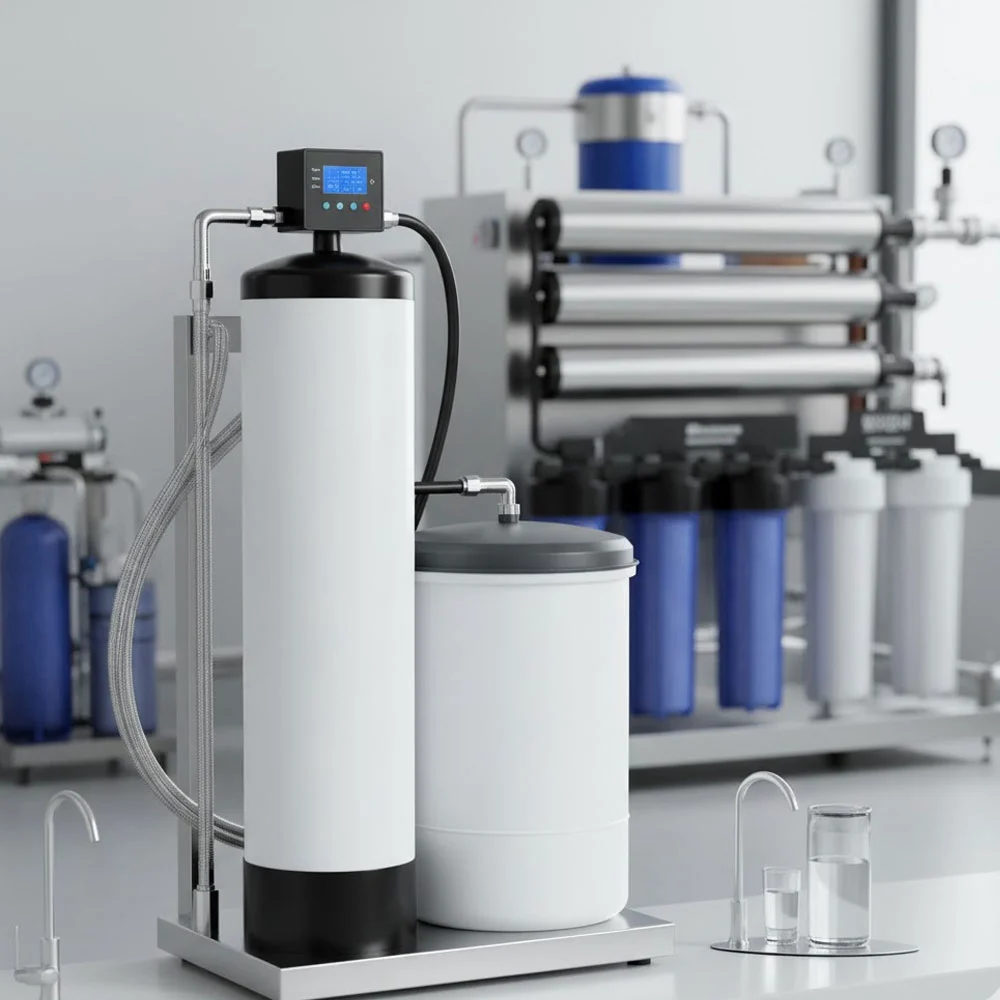
Traditional water softeners & refiners can help address mineral-related problems, although the terms don’t always describe the same technology. A conventional ion-exchange water softener replaces hardness minerals, usually calcium and magnesium, with sodium or potassium ions. This reduces scale formation and helps soap work more effectively.
Other refining systems may use different technologies or combinations of treatment methods. Some are designed to improve particular characteristics of water rather than remove hardness itself. Understanding the difference matters because a product marketed broadly as a water conditioner may not provide the same results as a properly sized softener.
Before purchasing equipment, consider the number of people living in the home, daily water consumption, measured hardness, and the system’s maintenance requirements. A system that’s too small may struggle during periods of heavy use, while an oversized unit can add unnecessary expense.
It’s also worth asking about regeneration frequency, salt consumption, wastewater discharge, and replacement parts. These ongoing costs can make a noticeable difference over several years.
Homeowners concerned about sodium intake should discuss drinking-water arrangements with a qualified professional or healthcare provider. Depending on the system and household needs, a separate drinking-water treatment option may be appropriate.
What Whole-Home Filtration Can Actually Do
Sometimes the concern extends beyond hard water. A household might experience a chlorine-like smell, visible sediment, or specific contaminants identified through testing. In those situations, filtration may be worth considering.
A whole-home filtration system treats water as it enters the property, allowing treated water to reach multiple fixtures throughout the house. Depending on the technology selected, these systems can reduce certain sediments, chlorine-related tastes and odors, or other targeted substances.
However, not every filter removes every contaminant. Sediment filters are designed to capture particles, while activated carbon can reduce certain chemicals and improve taste and odor. Other contaminants may require specialized treatment, such as reverse osmosis, ultraviolet disinfection, or certified media designed for a particular substance.
That distinction is important. A filter that improves the taste of drinking water shouldn’t automatically be assumed to remove bacteria, nitrates, or dissolved metals. Likewise, ultraviolet treatment can inactivate susceptible microorganisms when properly designed and maintained, but it doesn’t remove dissolved minerals or most chemical contaminants.
When comparing systems, look for independent certification appropriate to the intended use. Standards from organizations such as NSF and ANSI can help consumers evaluate performance claims, although the specific certification and contaminant reduction claims matter more than a logo alone.
A whole-house setup can be convenient, especially when several water-quality concerns affect different rooms. Still, the system should match the test results, local conditions, and manufacturer’s installation requirements.
Don’t Overlook Plumbing and Routine Maintenance
Even a well-designed treatment system needs attention. Filters become saturated, softeners require replenishment and servicing, and disinfection equipment may need periodic inspection or component replacement. Ignoring maintenance can reduce performance and, in some circumstances, create additional water-quality concerns.
Keep a simple record of installation dates, filter changes, service visits, and water test results. It doesn’t have to be elaborate. A note on a calendar or a folder containing maintenance receipts can make it easier to remember when equipment needs attention.
Household plumbing deserves consideration, too. If water suddenly changes color, develops an unusual smell, or begins tasting different, don’t automatically assume the treatment system has failed. The cause could involve municipal supply changes, plumbing corrosion, stagnant water, or another local issue.
For drinking water, follow public-health guidance if contamination is suspected. Boiling water can address certain microbial risks when recommended by authorities, but it does not remove many chemical contaminants and may concentrate some of them as water evaporates. The correct response depends on the suspected problem.
Making a Sensible Investment in Water Quality
Choosing water treatment is ultimately about solving a real problem, not buying the most complicated equipment available. Start with the water source, identify the concerns, and select a system that addresses them directly. Ask installers for clear explanations of expected performance, maintenance costs, warranty coverage, and any limitations.
It’s also sensible to compare more than one option. A basic sediment filter may be enough for a specific issue, while another household could need a combination of softening and specialized filtration. Paying for unnecessary treatment doesn’t guarantee better results.
Good water management is an ongoing process. Testing when appropriate, maintaining plumbing, and replacing treatment components on schedule can help households make informed decisions and avoid preventable problems.
At the end of the day, better water should make daily life easier. Showers should be comfortable, appliances should receive appropriate care, and drinking water should meet the household’s needs. With reliable information and a carefully chosen treatment system, homeowners can move beyond guesswork and create a water-quality plan that makes sense for their home and budget.