Water is one of those everyday essentials that rarely gets much attention—until it starts causing problems. Maybe you’ve noticed chalky spots on your dishes, stiff towels fresh out of the dryer, or soap that never seems to rinse away completely. These little frustrations are often signs of hard water, and while they’re easy to ignore at first, they can quietly affect your home, your appliances, and even your daily routine.
Most of us don’t wake up thinking about the minerals flowing through our plumbing, yet they have a surprising impact on how comfortable and efficient our homes feel. Once people experience the difference that properly treated water can make, it’s often one of those upgrades they wish they’d made years earlier.
Understanding Hard Water and Why It Matters
Hard water contains naturally occurring minerals, mainly calcium and magnesium. These minerals aren’t necessarily harmful to drink, but they create challenges throughout the home.
Over time, mineral deposits collect inside pipes, water heaters, coffee makers, dishwashers, and washing machines. The buildup gradually reduces efficiency, forcing appliances to work harder while consuming more energy. It’s a slow process, so many homeowners don’t notice the damage until repair bills begin showing up.
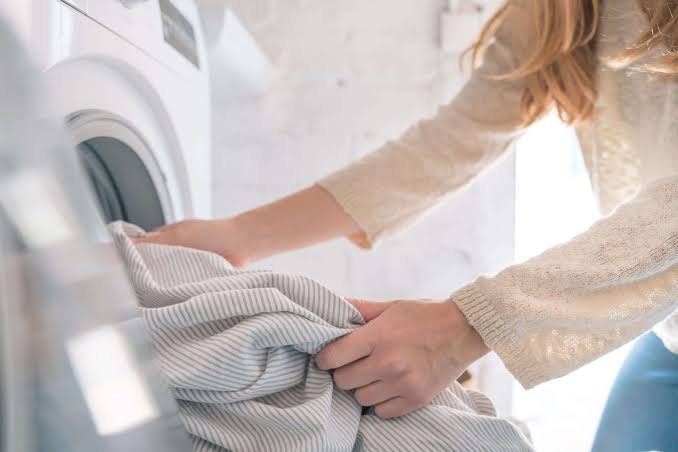
Hard water also affects everyday comfort. Soap struggles to lather properly, shampoo leaves hair feeling dull, and skin often feels dry after showering. Even freshly washed clothes may lose some of their softness because mineral residue remains trapped in the fabric.
The good news? These are all manageable issues with the right treatment approach.
Why More Families Are Choosing water softener systems
As homeowners become more aware of water-related issues, water softener systems have become increasingly popular—not simply because they’re convenient, but because they solve several household problems at once.
A quality softening system removes the excess calcium and magnesium responsible for hardness before the water travels through the home’s plumbing. That means every faucet, shower, appliance, and fixture benefits from softer water.
One of the first changes people usually notice is how much easier cleaning becomes. Soap rinses away more completely, dishes come out clearer, and bathroom fixtures require less scrubbing because mineral spots don’t build up as quickly.
The long-term benefits can be even more valuable. Water heaters often operate more efficiently, plumbing experiences less scale buildup, and household appliances generally last longer because they aren’t constantly fighting mineral deposits.
Living in northeast illinois Means Paying Attention to Water Conditions
Homeowners across northeast illinois are especially familiar with hard water challenges. Much of the region’s groundwater naturally contains elevated mineral levels, making scale buildup a common issue in both older and newer homes.
It’s not unusual for residents to notice white residue around faucets, cloudy glassware, or reduced water heater performance after only a few years of use. Seasonal changes can also affect water characteristics, making consistent treatment even more beneficial.
Rather than accepting these problems as unavoidable, many homeowners choose to address the source of the issue. Water treatment allows families to enjoy greater comfort while helping protect expensive plumbing systems and household equipment.
Every home’s water supply is slightly different, though. That’s why professional water testing remains an important first step before selecting any treatment equipment.
Choosing the Right water softener for Your Home
Shopping for a water softener isn’t as simple as buying the biggest unit available. Every household has different water usage patterns, plumbing layouts, and hardness levels.
A family of six naturally requires a different system than someone living alone. Likewise, well water may need additional filtration before softening, while municipal water often has entirely different treatment requirements.
Capacity matters, but so does efficiency. Modern systems are designed to regenerate only when necessary, reducing salt usage and conserving water compared to older equipment.
Some homeowners also choose systems with smart monitoring features that track water usage and alert users when maintenance is needed. While these features aren’t essential, they certainly make ownership easier.
Working with experienced water treatment professionals helps ensure the equipment matches your home’s actual needs rather than relying on estimates or marketing claims.
The Small Improvements You Notice Every Day
What’s interesting about soft water is that the biggest benefits often aren’t dramatic—they’re subtle improvements that quietly become part of daily life.
Your morning shower feels more refreshing because soap rinses cleanly.
Coffee makers require less descaling.
Laundry feels softer without using additional fabric softener.
Glass shower doors stay cleaner for longer.
Even shaving becomes smoother because soap creates a richer lather.
Individually, these changes might seem minor. Together, they noticeably improve everyday living while reducing the amount of time spent cleaning and maintaining the home.
Many homeowners are surprised by how much less soap, detergent, shampoo, and cleaning products they use after switching to softened water. Since soap works more effectively without excess minerals, a little goes much further.
Protecting Your Investment Over Time
Installing a water softener isn’t just about convenience. It’s also about protecting one of your largest investments—your home.
Scale buildup inside plumbing happens slowly, often remaining hidden for years. As deposits accumulate, water flow can gradually decrease while water heaters lose efficiency. Small problems become expensive repairs before homeowners even realize anything is wrong.
Softened water helps minimize these issues by reducing mineral accumulation throughout the plumbing system. That means fewer maintenance headaches and potentially lower long-term repair costs.
Like any household equipment, water softeners perform best with routine maintenance. Keeping salt levels adequate, cleaning the brine tank occasionally, and scheduling periodic inspections help ensure years of reliable operation.
Fortunately, modern units require far less attention than many older systems did.
Looking Beyond Cost
Some homeowners hesitate because they focus only on the initial purchase price. That’s understandable—every home improvement comes with a budget.
But it’s worth considering the bigger picture.
Reduced appliance wear.
Lower cleaning supply usage.
Improved energy efficiency.
Fewer plumbing repairs.
Better comfort every single day.
When viewed over several years, these combined savings often offset a significant portion of the investment while providing ongoing convenience that families enjoy every day.
Final Thoughts
Water flows through nearly every part of our daily lives, yet it’s easy to overlook until problems begin appearing around the house. Hard water may seem like a small inconvenience, but over time it quietly affects appliances, plumbing, cleaning routines, and overall comfort.
Fortunately, improving your home’s water doesn’t require complicated solutions. It starts with understanding your local water conditions, testing your supply, and choosing equipment designed for your household’s specific needs.
A properly selected water softening system isn’t simply another appliance tucked away in the basement. It’s an investment in your home’s efficiency, your family’s comfort, and the everyday moments that often go unnoticed until they’re noticeably better. Sometimes the simplest upgrades create the biggest difference, and cleaner, softer water is a perfect example of that.
More helpful home upgrade ideas
- The Everyday Plumbing Problems Homeowners Face and How to Handle Them With Confidence
- When Is It Time for a New Roof? Signs Homeowners Should Never Ignore
- Why Staying Ahead of Small Repairs Is One of the Smartest Investments You Can Make
- Why Hiring the Right Electrician Can Make Your Home Safer and More Efficient