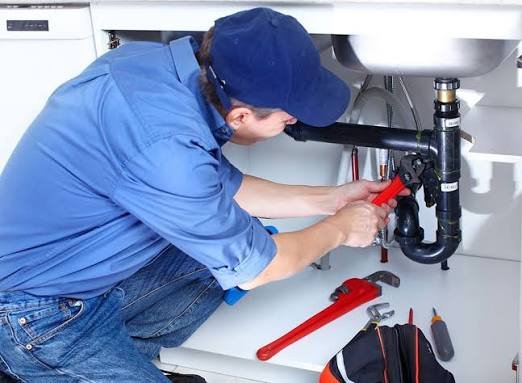
There are some home problems you can see right away. A leaking pipe. A cracked tile. A sink that drains like it’s thinking about retirement. Water contamination is different. It can be quiet, invisible, and honestly a little frustrating because the water may look perfectly clear while still carrying things you would rather not drink.
That is one reason PFAS has become such a serious topic in conversations about home water quality. These chemicals are not new, but public awareness around them has grown quickly. For years, they were used in products designed to resist water, grease, stains, and heat. Useful, yes. But the downside is that some of these chemicals do not break down easily in the environment, and once they get into water sources, they can be difficult to remove.
What Makes These Chemicals So Persistent?
PFAS stands for per- and polyfluoroalkyl substances. It is a large group of human-made chemicals, not just one single thing. They have been used in non-stick cookware, stain-resistant fabrics, food packaging, firefighting foam, industrial coatings, and plenty of other everyday materials. That wide use is part of the problem.
When chemicals are used across so many industries for decades, they do not simply disappear when people start paying attention. They can move through soil, enter groundwater, wash into rivers, and travel through public water supplies. Some areas have higher risks than others, especially places near manufacturing sites, airports, military bases, landfills, or locations where firefighting foam was heavily used.
Why Water Testing Matters More Than Guessing
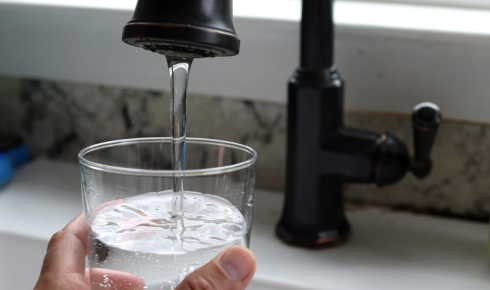
The tricky part is that you cannot smell, taste, or see most PFAS contamination. A glass of water can look fresh and clean while still containing trace levels of contaminants. That is why guessing is not enough. Testing is the only practical way to know what is actually in your water.
For families using private wells, testing is especially important. Municipal water systems are monitored under public regulations, but private well owners carry more responsibility themselves. If you rely on a well, it may be worth checking whether PFAS testing is available in your area, particularly if you live near an industrial zone or another possible contamination source.
Clean Water Is About More Than Appearance
People often think about drinking water in simple terms: does it look clear, does it taste okay, and does it smell normal? Those are useful signs, but they do not tell the whole story. Some contaminants announce themselves with stains, odours, or cloudy water. Others stay hidden.
That is what makes modern water quality more complicated than old-fashioned household problems like hard water or iron staining. A home may have water that tastes fine but still needs a deeper look. This does not mean everyone should panic. It means homeowners should be thoughtful, especially when information about local water quality is available and testing options exist.
The Health Conversation Is Still Developing
Researchers continue to study how different PFAS compounds affect people over long periods of exposure. Some PFAS have been associated with health concerns involving the immune system, cholesterol levels, liver function, thyroid health, and certain cancers. The science is still developing, and not every compound carries the same level of evidence or risk.
Still, the basic message is sensible enough: reducing unnecessary exposure is a good idea. That does not mean turning your home into a laboratory or worrying about every glass of water. It means taking practical steps, starting with knowledge. Find out what your local water report says. Ask your utility about PFAS monitoring. If you use well water, consider a qualified lab test.
Why They Are Called Forever Chemicals
You may have heard PFAS described as forever chemicals, which sounds dramatic, but there is a reason the phrase stuck. These substances are known for their strong chemical bonds, which help them resist breaking down in the environment. That durability made them useful in consumer and industrial products, but it also makes cleanup difficult.
Once contamination enters a water source, it can linger. Treatment is possible, but it needs the right technology and proper maintenance. A basic refrigerator filter or pitcher filter may improve taste, but it is not always designed to reduce PFAS. Homeowners should look for systems tested and certified for specific PFAS reduction rather than assuming any filter will do the job.
Treatment Options Should Match the Problem
There is no single perfect water treatment system for every home. Some systems use activated carbon. Others use reverse osmosis. Some whole-home setups may be useful depending on the water source, contaminant level, flow needs, and household goals. Point-of-use systems, such as under-sink reverse osmosis, can be a practical choice for cooking and drinking water.
The key is matching treatment to test results. Buying equipment without testing can lead to wasted money, and worse, false confidence. A system should be selected based on what is actually present in the water, how much needs to be reduced, and whether the product has credible performance claims.
Public Water Reports Can Be a Helpful Starting Point
If your home receives municipal water, your local water provider may publish annual water quality reports. These reports can help you understand where your water comes from and what has been detected. They are not always exciting reading, admittedly. But they can answer important questions.
In some communities, PFAS monitoring results are becoming easier to access. In others, information may still be limited. If you are unsure, contacting the water provider directly is often worth the effort. Ask simple questions: has the water been tested for PFAS, which compounds were tested, and what were the results?
A Calm, Practical Approach Works Best
Water quality can feel overwhelming because there are so many possible contaminants, systems, claims, and opinions. But the best approach is not panic. It is step-by-step. Learn about your local water source. Review available reports. Test if needed. Choose treatment based on real results, not fear-based marketing.
A good water plan gives you confidence. It helps protect your household without making everyday life feel complicated. And that is really the point. Water should be something you trust when you fill a glass, make coffee, cook soup, or hand a bottle to your child before school.
PFAS concerns are not going away overnight, but homeowners are not powerless. With better awareness, reliable testing, and the right treatment where needed, families can make smarter choices about the water they use every single day.
More helpful home upgrade ideas
- The Everyday Plumbing Problems Homeowners Face and How to Handle Them With Confidence
- When Is It Time for a New Roof? Signs Homeowners Should Never Ignore
- Why Soft Water Makes Everyday Life Easier Than You Might Expect
- Why Staying Ahead of Small Repairs Is One of the Smartest Investments You Can Make