Most people judge water in a very simple way. If it looks clear, it must be fine. And honestly, that makes sense at first glance. Nobody pours a glass of water and immediately starts thinking about treatment media, dissolved compounds, or what passed through the pipes before it reached the kitchen tap. We just want water that tastes fresh, smells clean, and feels safe enough to use without second-guessing it.
But water can be a little deceptive. It may look perfectly clear and still carry tastes, odours, or substances that make it less pleasant for everyday use. Sometimes the first sign is a faint swimming-pool smell when the tap runs. Sometimes tea tastes flat, coffee has a sharper edge, or plain drinking water just feels… off. Not unsafe necessarily, but not exactly enjoyable either.
That is where thoughtful filtration starts to matter.
Why Tap Water Can Taste Different from Home to Home
Two homes in the same town can have water that tastes slightly different. One may have newer plumbing. Another may sit closer to certain parts of the municipal supply system. Some homes use water that has travelled through older pipes or has been treated more heavily before reaching the tap. It is not always dramatic, but the difference is noticeable.
Municipal water is commonly treated to help keep it suitable for public use. That treatment is important, of course. But the things used to treat water can sometimes leave behind taste or smell issues. Many homeowners are not trying to completely “change” their water. They simply want it to taste cleaner and feel better for drinking, cooking, and daily use.
The Simple Power of Carbon
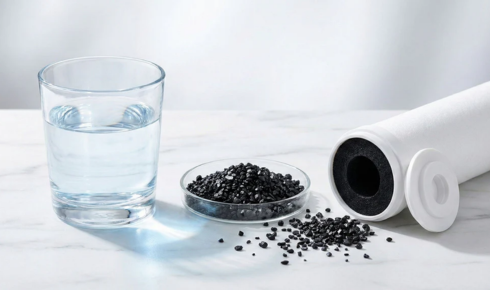
One of the most trusted methods for improving taste and odour is activated carbon water filtration. It works through a process called adsorption, where certain unwanted substances cling to the surface of the carbon. The carbon itself has a large internal surface area, which makes it useful for capturing many taste and odour-causing compounds.
That may sound technical, but the result is easy to understand. Water passes through the carbon, and many of the unpleasant tastes or smells are reduced before the water reaches your glass. It is one of those behind-the-scenes improvements you may not think about much until you taste the difference.
Chlorine Taste Is a Common Complaint
A lot of people notice chlorine in their tap water, especially when filling a glass straight from the faucet. It can make water smell sharp or taste slightly chemical. For some households, it is mild. For others, it is strong enough that people avoid drinking tap water altogether and start buying bottled water instead.
Good filtration can support chlorine reduction, helping water taste fresher and more natural. This is one of the main reasons carbon filters are so popular in homes. They do not need to make a big fuss. They just quietly improve something people use every single day.
Better Water Changes Small Daily Habits
When water tastes unpleasant, people find workarounds. They keep jugs in the fridge. They buy cases of bottled water. They add lemon to hide the taste. They use bottled water for coffee because the tap water makes it bitter. These habits become normal, even though they are often inconvenient and more expensive over time.
With better tasting water, the household routine can shift in a quiet but meaningful way. People drink more from the tap. Coffee and tea taste cleaner. Cooking feels easier. Even ice cubes stop carrying that odd freezer-and-tap-water flavour. It is not a luxury upgrade in the flashy sense, but it does make daily life smoother.
Filtration Is Not Only About Drinking
Most people think of water filtration as something that happens at the kitchen sink, and that is often where it starts. But depending on the system, filtration can also support other parts of the home. Water used for cooking, rinsing fruit, making baby formula, filling pet bowls, or preparing soups and sauces can all benefit from improved taste and odour.
Some homeowners choose point-of-use filters for drinking water. Others prefer whole-home filtration so treated water reaches multiple taps. The right choice depends on the water concerns, household size, budget, and how much improvement the family wants across the home.
Not Every Filter Does the Same Job
This is where many people get confused. A filter is not just a filter. Some are designed mainly for sediment. Some focus on taste and odour. Some handle very specific contaminants. Others combine different technologies for broader treatment.
Activated carbon is excellent for many taste and smell concerns, but it is not a magic answer for every water problem. If the issue is hardness, for example, a softening system may be needed. If there are concerns about dissolved minerals or certain contaminants, reverse osmosis might be part of the solution. That is why water testing and proper guidance are useful before choosing equipment.
Maintenance Makes the Difference
Even a good filter will not perform well forever without maintenance. Carbon filters have a working life. Once the carbon becomes saturated, its ability to reduce taste and odour issues drops. This can happen gradually, so homeowners may not notice the change right away.
Replacing filters on schedule keeps the system doing its job. It is a simple step, but an important one. Think of it like changing the oil in a car. The car may still run if you ignore it for a while, but performance and reliability will eventually suffer.
A Practical Upgrade That Feels Personal
Water is personal because it is part of so many ordinary moments. Morning coffee. A cold glass after mowing the lawn. Pasta boiling on the stove. A child asking for water before bed. These are not dramatic events, but they are the little routines that make up a home.
Improving water taste and smell does not have to be complicated. Start by noticing what bothers you. Is it chlorine smell? A flat taste? A strange aftertaste in tea? Then look at solutions that match the real issue instead of guessing.
In the end, good filtration is about making everyday water more enjoyable and dependable. Clear water is nice, but clean-tasting water is what people actually notice. And once your tap water becomes something you reach for without hesitation, it is hard to go back.
More helpful home upgrade ideas
- The Everyday Plumbing Problems Homeowners Face and How to Handle Them With Confidence
- When Is It Time for a New Roof? Signs Homeowners Should Never Ignore
- Why Soft Water Makes Everyday Life Easier Than You Might Expect
- Why Staying Ahead of Small Repairs Is One of the Smartest Investments You Can Make