
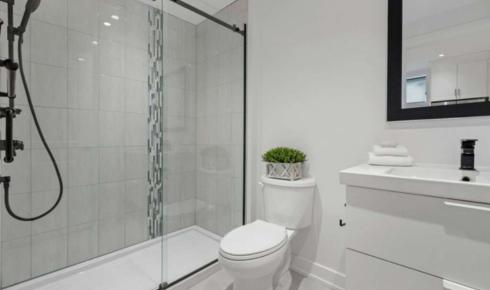

Adding an extra toilet or bathroom sounds convenient—no more morning queues. But it’s one of those changes that must be planned very carefully.
First, plumbing lines. Toilets need proper waste lines with slope and venting. You can’t just put a WC anywhere without checking where the existing soil pipes run and whether they can handle extra load.
Water supply is another factor. Geyser capacity, pressure, and line layout may need adjustments so all bathrooms get enough flow and temperature.
Waterproofing is critical. New wet areas built over bedrooms or living rooms below, without proper waterproofing, can cause nasty leaks and disputes with neighbours or society.
Permissions matter too. Many societies and local regulations don’t allow converting dry areas like balconies or certain utility zones into full bathrooms.
Sometimes, adding a powder room (toilet + basin, no shower) near an existing plumbing line is more practical than forcing a full bath in an awkward spot.
A good plumber plus an architect or experienced contractor should always review these ideas before you start.