Choosing the right conduit material for your electrical system is a must if you want to guarantee its safety, durability, and long-term reliability. When it comes time to choose the right type of conduit for your project, you may be presented with two options – HDPE and PVC. The question is, which is the right conduit for the job? Both HDPE and PVC are used in construction projects across Australia. While each has their advantages, there are also disadvantages you need to consider. In this guide, let’s take a look at both types of conduits, understand the key differences, and determine whether a HDPE or PVC conduit is the right choice for your project.
Why Conduit Material Choice Matters
Choosing the right type of electrical conduit enhances the safety, longevity, and performance of your electrical system. When you choose the right type, you can protect your system from environmental factors such as heat, moisture, UV, and corrosion, as well as offer better mechanical strength and physical protection for your system.
The right conduits also have an impact on upfront material and labour costs. They also ensure that your construction project complies with the relevant building codes and other regulatory standards.
What are PVC conduits?
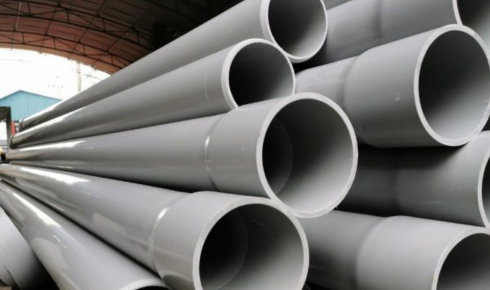
PVC conduits are lightweight and durable thermoplastic tubes made using polyvinyl chloride (PVC). They are used to protect and route electrical wiring in residential, commercial, and industrial settings. They are highly resistant to moisture, fire, and chemical corrosion, resulting in them being commonly used in underground constructions and in constructions in locations where the humidity is high (e.g., coastal and tropical regions). They are also lightweight and easy to cut, making them the ideal choice for tight spaces.
What are HDPE conduits?
HDPE stands for High-Density Polyethylene. Known for their high strength-to-density ratio, these conduits are often used to protect electrical cables in underground burials, trenchless installations, and directional drilling. Much like PVC conduits, they are highly resistant to moisture, chemical damage, and physical impacts.
HDPE vs PVC: What are the key differences?
While both HDPE and PVC conduits are excellent choices, there are some key differences that can influence what type of conduit you choose for your electrical project. At a glance, these are the most noteworthy differences:
- Flexibility and installation – PVC conduits are rigid and will require fittings to change directions. HDPE conduits are highly flexible and can be bent, eliminating the need for specialised fittings to change directions.
- Joining methods – PVC uses solvent cement or gasketed joints. On the other hand, HDPE conduits are joined together using heat fusion.
- Pressure and fatigue resistance – Compared to PVC conduits, HDPE conduits can withstand almost twice the pressure. It is also 2500 times more resistant to damage from surge pressure and fatigue.
- Durability and weathering – Both HDPE and PVC conduits are UV-resistant. However, the HDPE conduit’s resistance is slightly better than that of rigid PVC.
- Temperature range – HDPE conduits can handle temperatures up to 250°F, while PVC has a slightly lower heat threshold, only being able to handle temperatures up to 140°F.
- Environmental impact – Between HDPE and PVC, HDPE is considered the more eco-friendly option since it is easier to recycle and it does not leach chemicals.
Choosing the Right Conduit for Your Project
What can be considered the ‘right’ conduit for your project will ultimately depend on the installation environment and specific requirements of your project.
Rigid PVC conduits are ideal for general electrical installations, residential buildings, and cost-sensitive projects. This is because they are affordable, durable, and easy to install. On the other hand, HDPE conduits are far more suited for large-scale civil constructions, projects that require flexibility, and underground installations.
When choosing between the two types, you will need to look into factors such as soil conditions, installation methods, budget, and compliance requirements. Matching the type of conduit to these considerations will help ensure that the electrical systems perform better, become more reliable, and last longer.
Conclusion
While both HDPE and PVC conduits are excellent choices for protecting your electrical systems, the choice between the two types will ultimately boil down to the specific needs of your project. PVC is a cost-effective and durable solution, making it the preferred choice for many residential and commercial projects. On the other hand, HDPE conduits are ideal for large-scale projects where underground installations happen and flexibility is a plus.
Whatever your choice, if you need high-quality civil construction material, Convic is here to help. We are one of Australia’s leading construction material suppliers, and we are confident that we have the materials for all projects of all sizes. Contact us today and get the best for your construction project.