
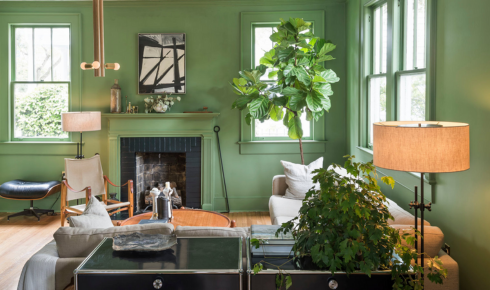

Going “eco-friendly” in renovation doesn’t always mean building a fancy green home from zero. Often, it’s about using what you already have more wisely and choosing better options where you can.
The greenest thing is what you don’t throw away. If existing doors, frames, or cupboards are structurally solid, consider sanding, repainting, or re-veneering instead of ripping everything out. Same with some tiles—regrouting or adding a new layer on top may work.
Choose low-VOC (low chemical fumes) paints and adhesives. They’re better for indoor air quality and less harsh for people with allergies or kids at home.
In kitchens and bathrooms, pick fixtures that save water—dual-flush WCs, aerated taps, efficient shower heads. Over time, they cut bills and reduce wastage without you doing anything extra daily.
Lighting upgrades have a big impact. Switching to LEDs, using more natural light, and planning smart circuits so you don’t switch on everything at once are simple but powerful ideas.
If possible, reuse some old furniture, tiles, or wood creatively—an old door as a headboard, leftover tiles as a patterned patch, etc. Eco-friendly renovation is less about being perfect and more about being thoughtful with every choice.